Polynesian Tattoo Ideas
Polynesian tattoo art is one of the oldest living traditions, built from symbols for family, protection and the ocean. Browse original AI designs inspired by these motifs.
10 Polynesian Tattoo Ideas
Made with our AI tattoo generator. Tap one to make your own version.
-
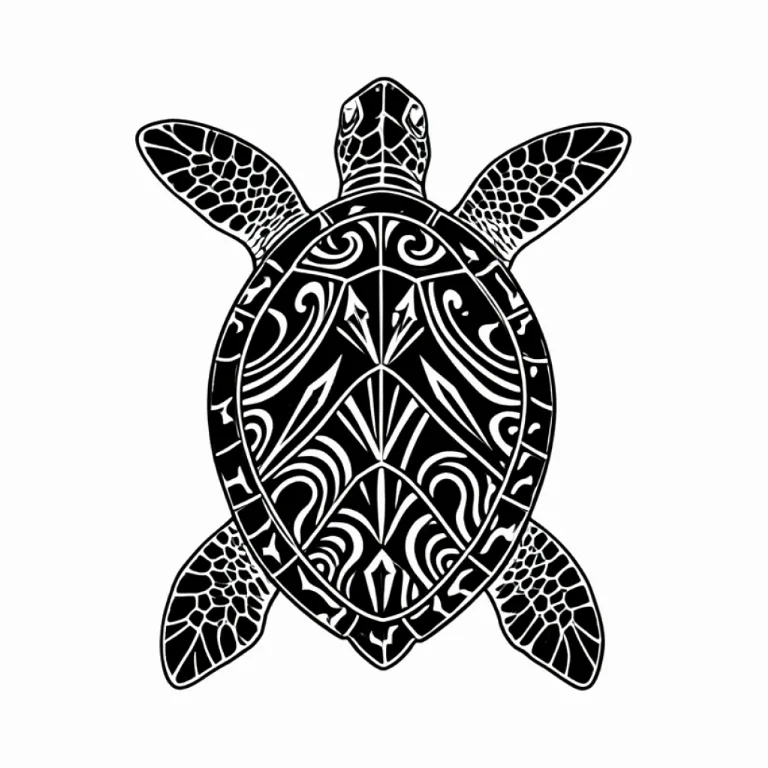 A sea turtle seen from above with its shell filled with Polynesian-inspired spearhead and wave patterns
Make One Like This →
-
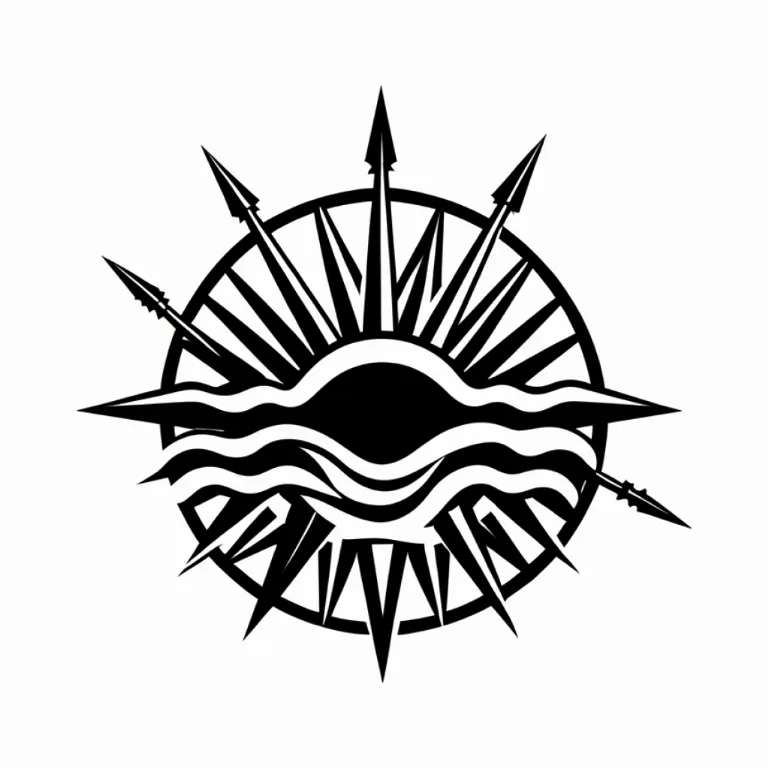 A round sun disc filled with rows of shark teeth, spearheads and ocean wave bands, solid black linework
Make One Like This →
-
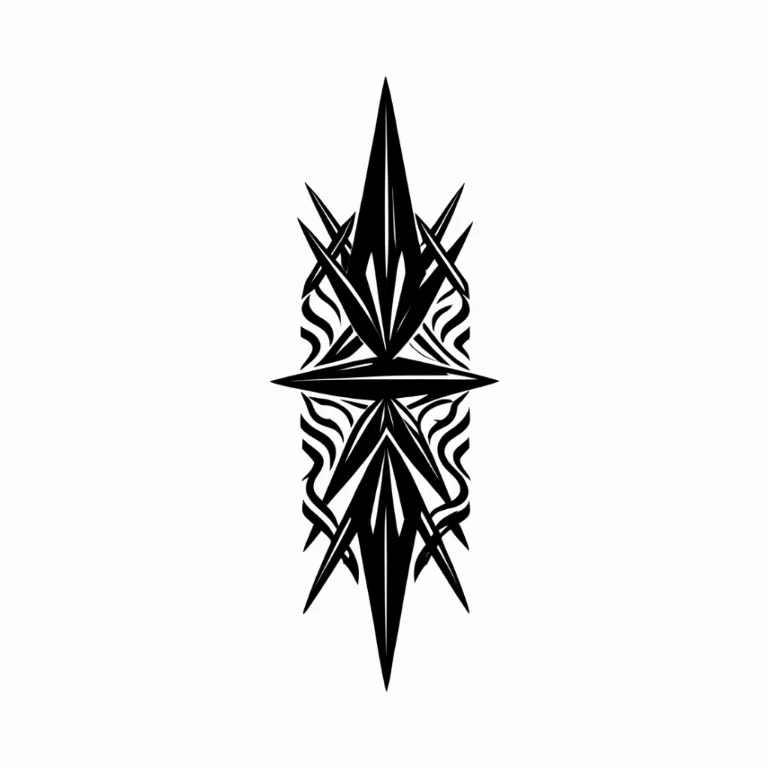 A vertical Polynesian design of stacked shark teeth triangles, spearheads and wave lines in bold black
Make One Like This →
-
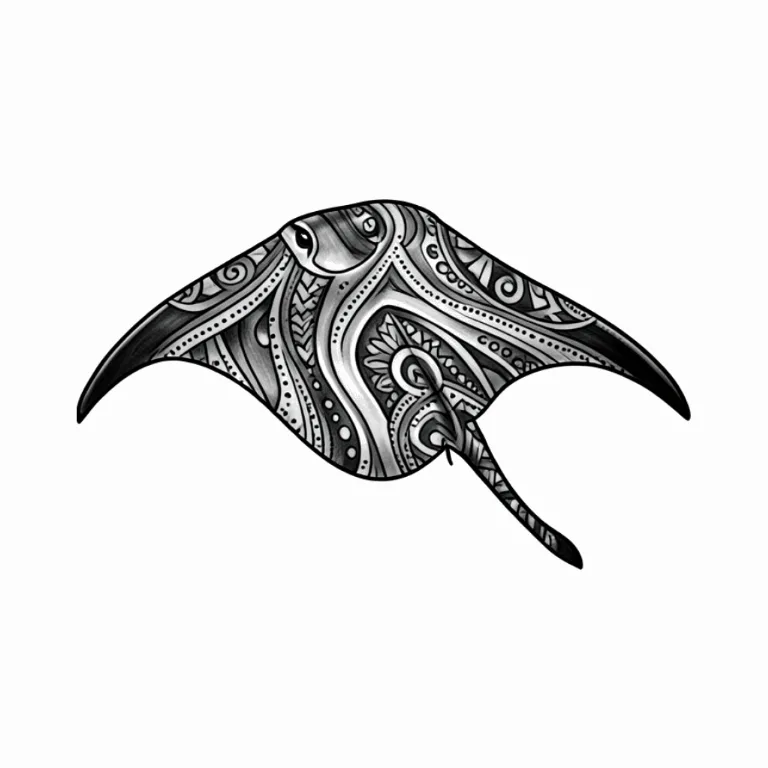 A manta ray with wings spread, filled with Polynesian-inspired patterns and fine dot borders
Make One Like This →
-
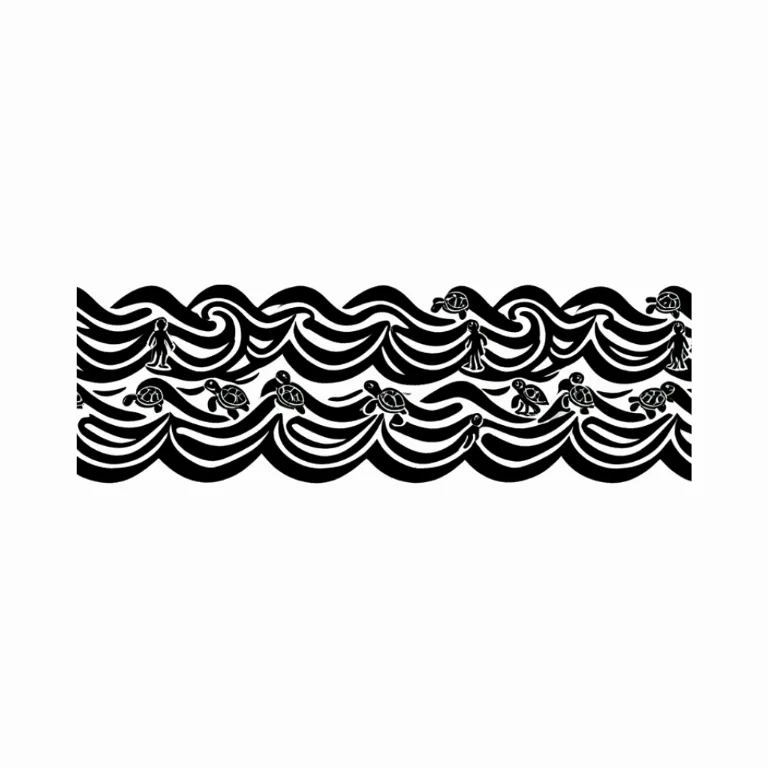 A wide horizontal band design of repeating ocean waves, small turtles and enata figures, bold black
Make One Like This →
-
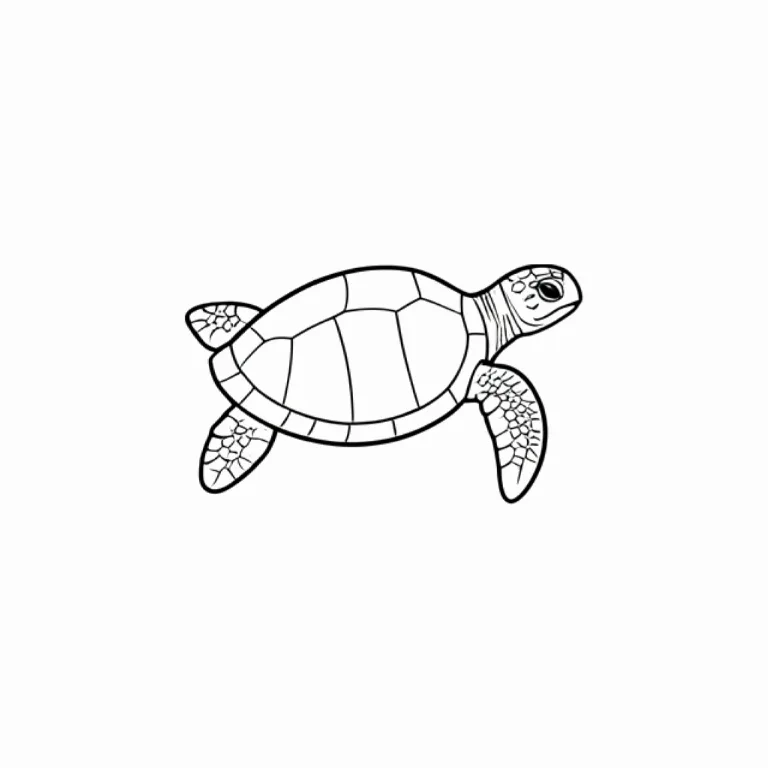 A small simple sea turtle outline with a few pattern lines on its shell, clean minimal flash on paper
Make One Like This →
-
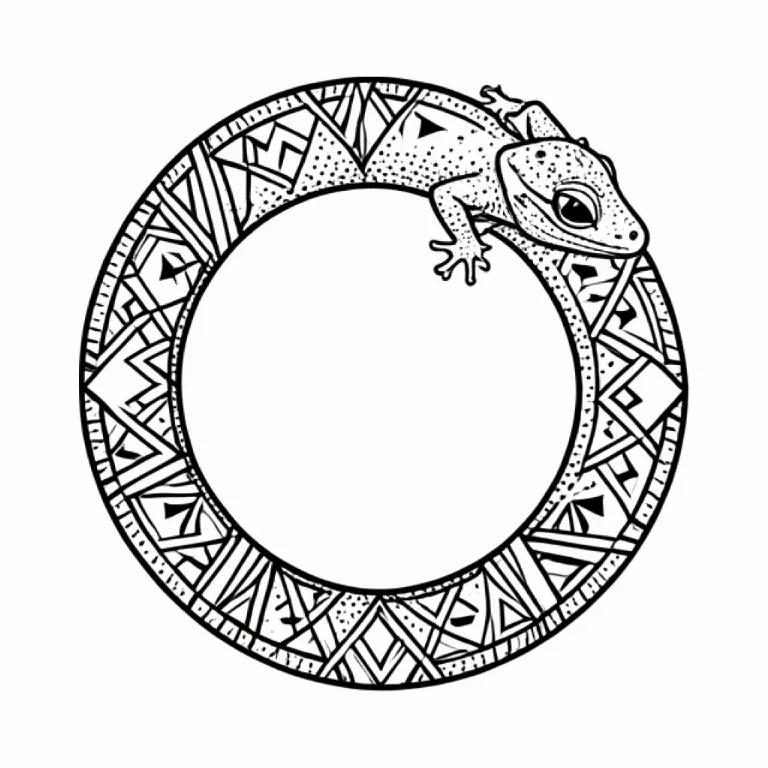 A gecko curled in a circle with Polynesian-inspired triangle and line patterns along its length
Make One Like This →
-
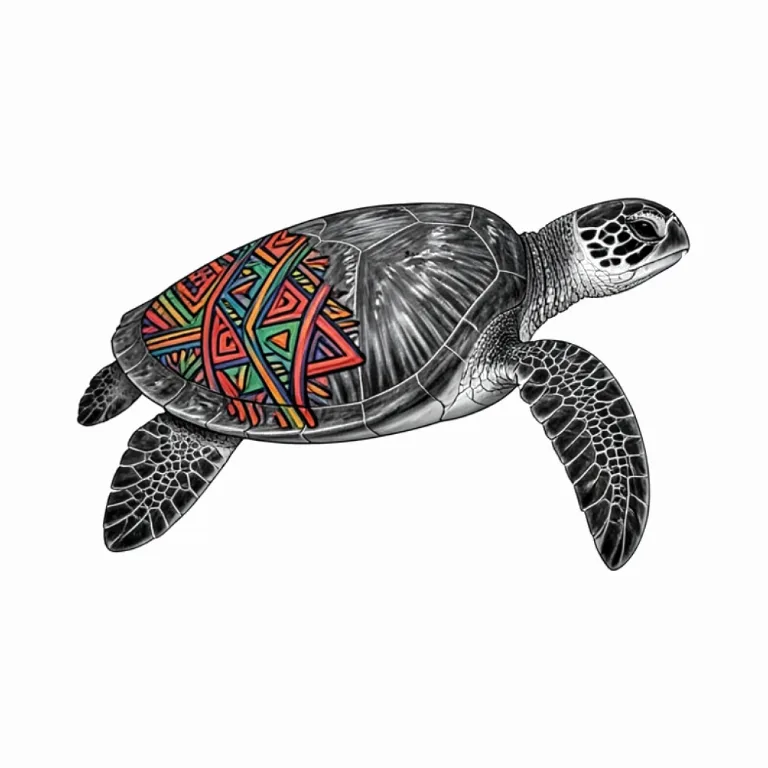 A realistic sea turtle swimming with one side of its shell turning into Polynesian-inspired patterns
Make One Like This →
-
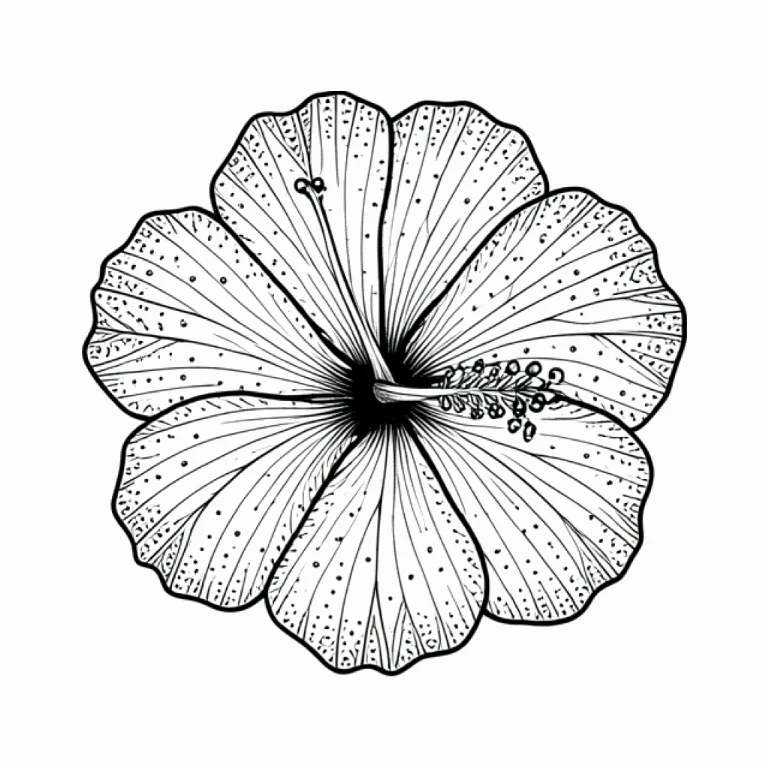 A hibiscus flower with petals filled with fine Polynesian-inspired line and dot patterns, delicate lines
Make One Like This →
-
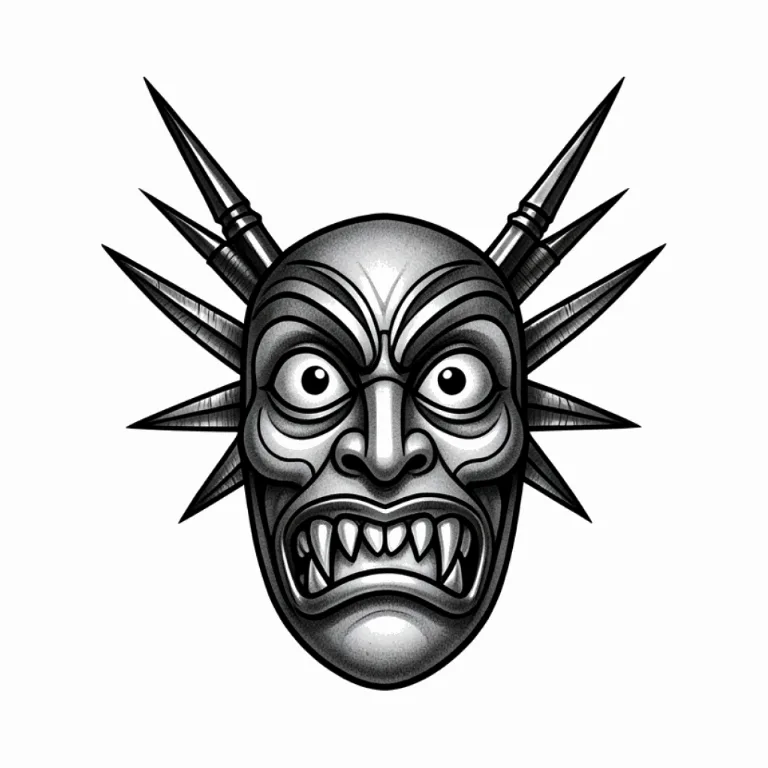 A symmetrical tiki face mask with wide eyes, framed by spearheads and shark teeth, solid black and grey
Make One Like This →
The tradition behind Polynesian tattoos
Tattooing has been practiced across Polynesia for over two thousand years, in Samoa, Tonga, Tahiti, the Marquesas, Hawaii and Aotearoa New Zealand. The English word tattoo comes from the Polynesian word tatau. Traditional tattoos marked genealogy, rank, achievements and rites of passage, and some, like the Samoan pe’a and malu, still carry deep cultural weight today. When you look at polynesian tattoo ideas, it helps to know that each island group has its own style, and that some designs are reserved for people of that heritage. A respectful design uses the motifs with understanding rather than copying sacred patterns.
Common Polynesian symbols and meanings
- Turtle (honu): long life, health, family and a guide that returns home across the ocean. A Polynesian turtle tattoo is among the most requested designs.
- Shark teeth (niho mano): protection, strength and guidance, often used in bands.
- Spearheads: courage, the warrior spirit and protection against danger.
- Ocean and waves: life, change, and the final resting place of those who passed on.
- Enata: small human figures that represent people, ancestors or gods, often shown in rows to stand for family.
- Sun: leadership, brilliance and new beginnings.
- Tiki: a protective guardian figure.
Popular Polynesian tattoo ideas and layouts
Many Polynesian pieces are built to follow the muscles, so the most traditional layouts are shoulder caps, half sleeves, chest plates and leg pieces that wrap around the limb. Smaller designs include turtles, geckos, manta rays and hibiscus flowers filled with patterns. Bands of shark teeth and spearheads are popular as armbands or ankle bands. Solid black is the heart of the style, so expect heavy fill, clean negative space and lines that are precise enough to read from a distance. Placement also carried meaning in many island traditions, so ask your artist what each area traditionally represents. If you are drawn to the Hawaiian side of this tradition, our Hawaiian tattoo ideas cover kakau motifs and island symbols.
Polynesian vs. Maori and tribal styles
Maori ta moko is part of the wider Polynesian family but has its own flowing spirals and a strong link to genealogy, especially in facial moko, which is reserved for Maori people. Our Maori tattoo ideas explain that tradition in more detail. Generic tribal tattoos borrow the bold black look but often skip the meaning, so if the culture matters to you, ask for specific symbols and their stories.
Island styles within Polynesian tattoo art
What many shops sell as one look is really several distinct traditions. Samoan tatau is known for dense, symmetrical bands and the pe’a, the male tattoo from waist to knee, still applied by some tufuga with hand-tapped combs made of bone or tusk. Marquesan work, from the northern islands of French Polynesia, is famous for bold circular motifs, large solid blocks and stylized faces, and it shaped much of what people now call the Polynesian tattoo style. Tahitian designs often combine Marquesan elements with lighter, more open patterns, while Tongan tatatau, revived in recent decades, covers the waist and thighs with tightly repeated geometric patterns. Hawaiian kakau favors strong bands and rows of triangles.
Knowing these differences helps you ask better questions. If your family comes from a specific island group, an artist from that tradition can tie the motifs to your lineage. If you do not have Polynesian heritage, many artists will still create a Polynesian tattoo for you, but they may avoid motifs and placements reserved for community members, such as the pe’a. A respectful artist will explain these limits, and following their guidance is part of wearing the art well.
Working with the right artist
Look for an artist who specializes in Polynesian tattoo work, ideally one with roots in the culture or long training in it. A good artist will ask about your family, your story and what you want the tattoo to say, then build a design that fits your body and your meaning. Avoid copying another person’s tattoo, since many traditional pieces are personal records. You can describe your idea in our AI tattoo generator to explore shapes and motifs, then bring the stencil to your artist as a starting point for a design made for you.
Design yours in seconds
Describe your idea, pick a style, and get original designs with a stencil ready for your artist. Your first run is free.
Polynesian Tattoo Ideas FAQ
What does a Polynesian turtle tattoo mean?
The turtle, or honu, stands for long life, health, fertility and family. It is also a symbol of navigation and finding your way home across the ocean.
Can I get a Polynesian tattoo if I am not Polynesian?
Many Polynesian artists tattoo people of all backgrounds using shared symbols, but some designs, such as the Samoan pe'a or facial moko, are reserved for people of that heritage. Work with an artist who knows the culture and respect their guidance.
How much does a Polynesian tattoo cost?
A small Polynesian design usually costs $150 to $400. Half sleeves and shoulder pieces often run $800 to $2,500 or more, depending on the artist and size.
Do Polynesian tattoos hurt more?
The pain depends on placement, not the style, but Polynesian pieces often involve large areas of solid black, which takes longer to pack in. Traditional hand-tapping can also feel different from a machine.