Maori Tattoo Ideas
The Maori tattoo is a living tradition from Aotearoa New Zealand, built on koru, manaia and ancestral pattern. Explore respectful AI designs inspired by its art, then make your own.
10 Maori Tattoo Ideas
Made with our AI tattoo generator. Tap one to make your own version.
-
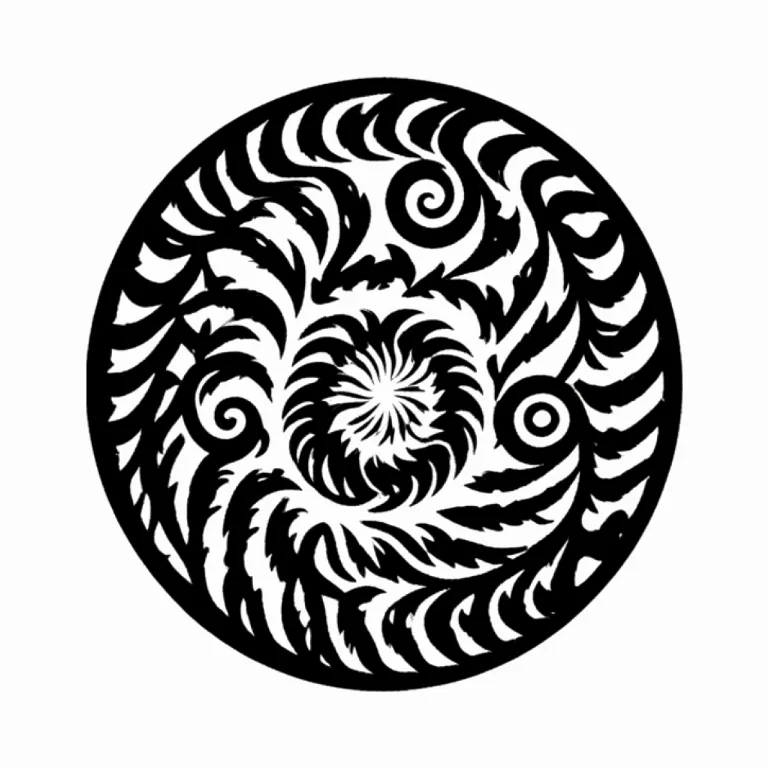 A circular design of interlocking koru spirals unfolding like fern fronds, bold solid black lines and negative space
Make One Like This →
-
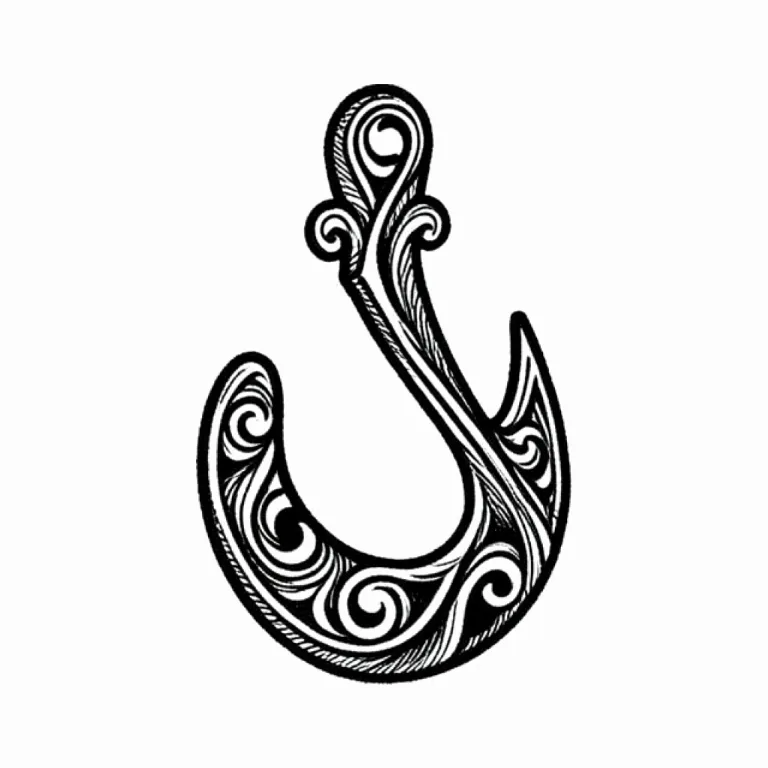 A hei matau fish hook pendant shape filled with flowing koru curves and fine line patterns, black ink
Make One Like This →
-
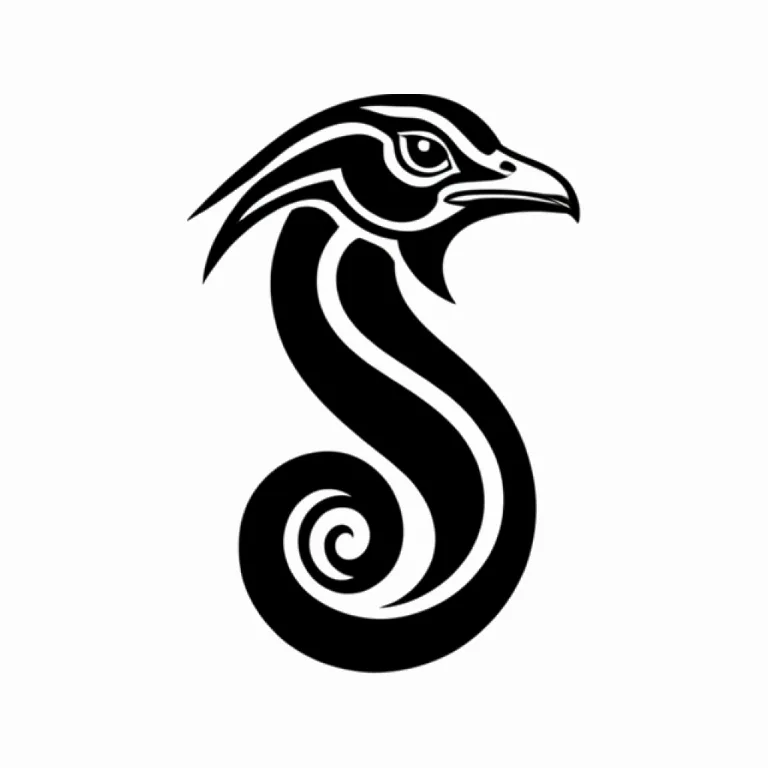 A manaia guardian figure in profile with a bird like head and a curling serpent form, stylized black linework
Make One Like This →
-
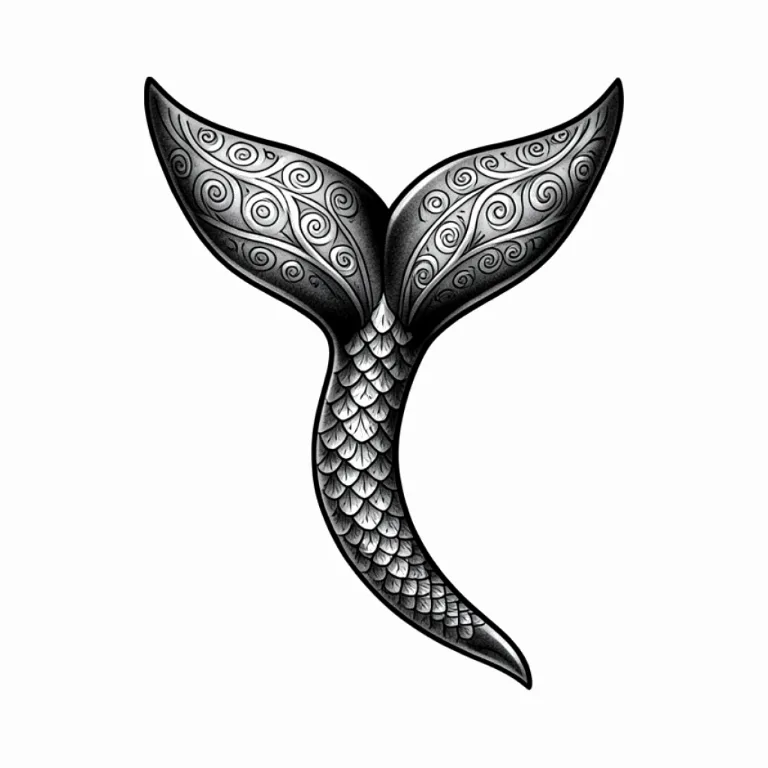 A whale tail rising from the water with its flukes filled with koru and fish scale patterns, solid black
Make One Like This →
-
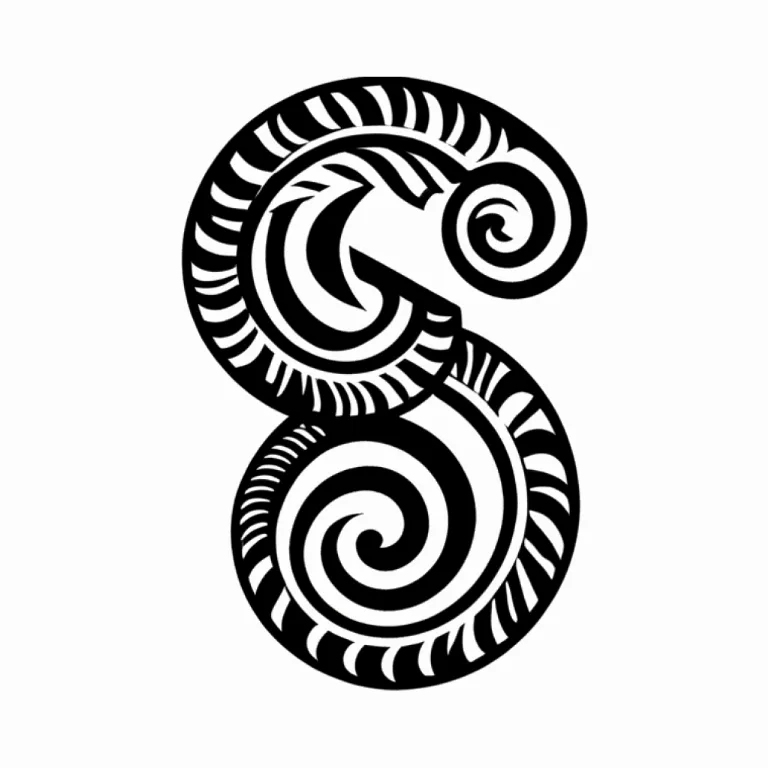 A curved Maori-inspired design of linked koru spirals and notched lines flowing in an S shape, bold black
Make One Like This →
-
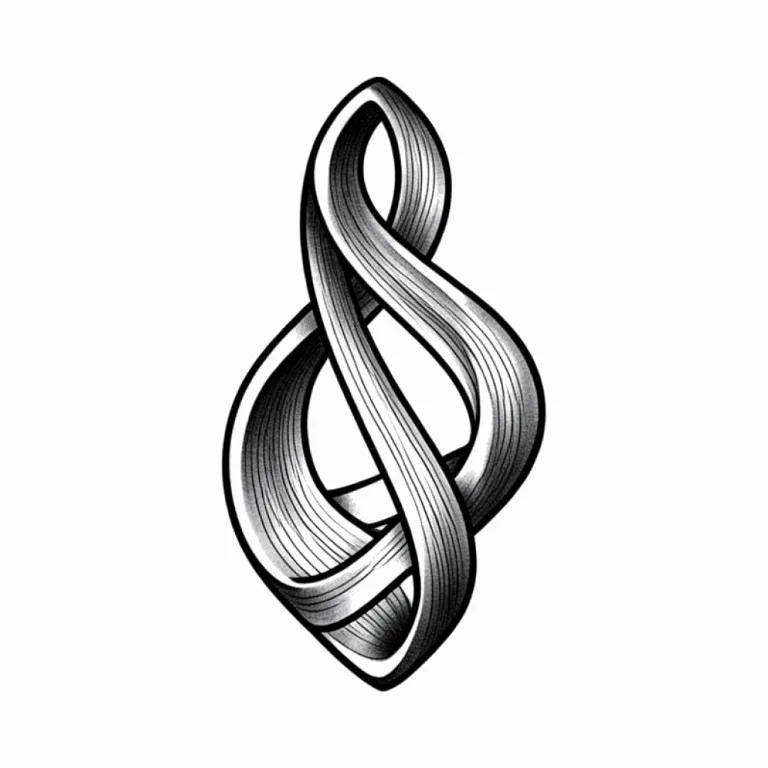 A twist shape pendant with two looping strands crossing each other, filled with fine flowing lines
Make One Like This →
-
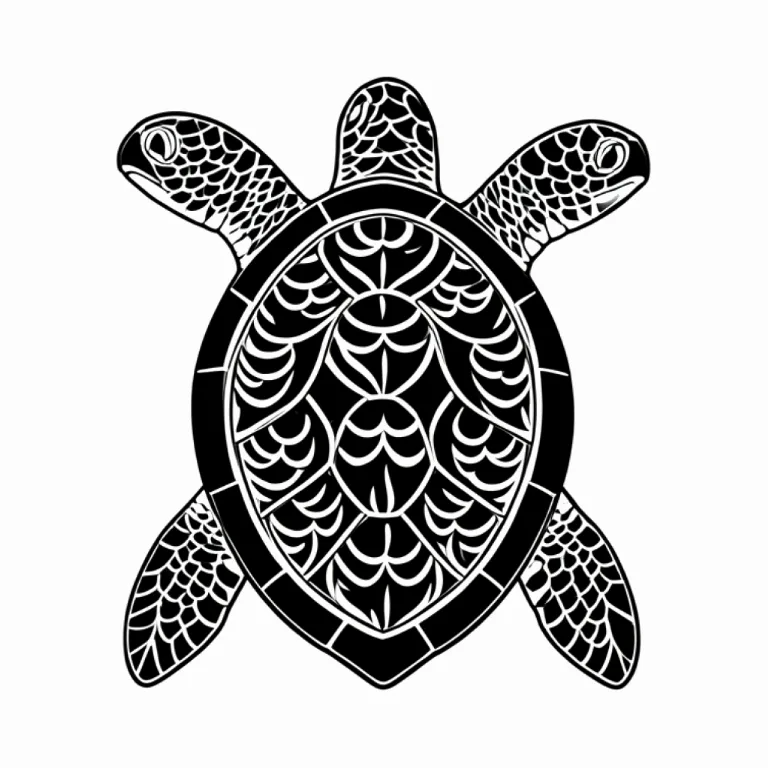 A sea turtle with its shell divided into panels of koru and fish scale patterns, bold black linework
Make One Like This →
-
 A single small koru spiral like an unfurling fern frond, simple clean lines with no fill
Make One Like This →
-
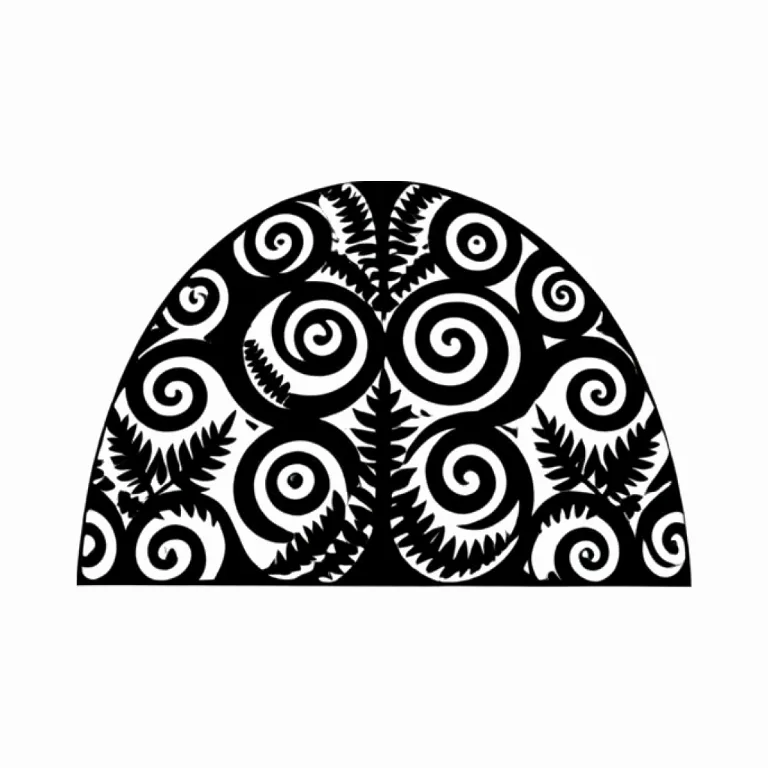 A large rounded dome shaped design of flowing koru spirals and fern shapes, solid black
Make One Like This →
-
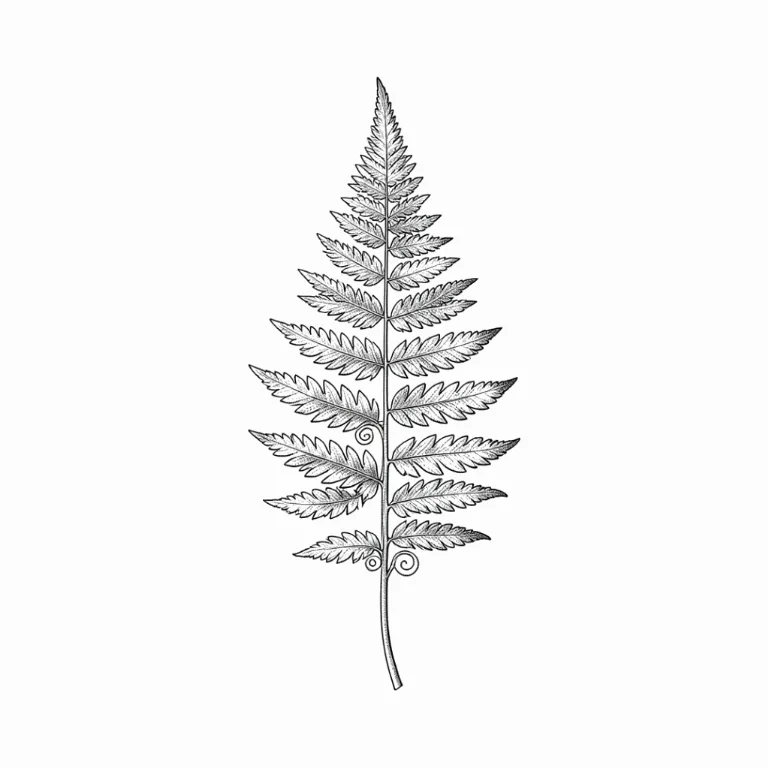 A silver fern frond with koru curls along its stem and fine dotwork shading, delicate detailed lines
Make One Like This →
Understanding Maori tattoo traditions
Before looking at Maori tattoo ideas, it helps to know what the tradition is. Ta moko is the sacred tattooing of the Maori people of Aotearoa New Zealand. It records whakapapa, or genealogy, along with tribal identity, rank and personal history, and it was traditionally carved into the skin with chisels called uhi. Moko on the face and the moko kauae worn by women on the chin are reserved for Maori and carry deep cultural weight. Many Maori artists today are reviving the practice with both traditional tools and machines.
Ta moko vs. kirituhi
Non-Maori who admire the art can wear kirituhi, which means skin writing. Kirituhi uses Maori design language, but it does not claim the ancestry or story that a true moko carries. It is the respectful option most Maori artists recommend for people outside the culture. A good kirituhi piece is designed for you personally, not copied from someone else’s moko, since a moko belongs to the person and family it was made for.
Maori tattoo ideas: common elements and meanings
- Koru: the unfurling fern frond, a symbol of new life, growth and peace.
- Manaia: a guardian figure with a bird head and a human or serpent body, seen as a messenger between worlds.
- Hei matau: the fish hook, standing for strength, prosperity and safe travel over water.
- Pikorua: a twist that stands for the joining of two lives or paths.
- Unaunahi: fish scale patterns that represent health and abundance.
Maori art shares roots with other Pacific traditions, and our Polynesian tattoo ideas explain how styles like Samoan and Tahitian work differ.
Warrior Maori tattoo designs and placement
Warrior Maori tattoo designs usually draw on bold, dense patterns across the shoulder, upper arm, chest and back, which suit the flowing curves of the style. Shoulder caps that run onto the chest are a common kirituhi layout. Smaller pieces like a single koru, a hei matau or a twist work on the forearm, calf or ankle. The design should follow the muscles and shape of the body, which is why good artists draw these freehand.
Where moko patterns come from
Moko shares its design language with other Maori arts, which is one reason a good Maori tattoo looks so different from generic tribal work. Whakairo, the carving found on meeting houses, canoes and treasure boxes, uses the same deep spirals and paired curves seen in traditional moko. Kowhaiwhai, the painted scroll patterns on the rafters of a wharenui, are built from koru shapes in red, black and white, and many kirituhi designs borrow their rhythm.
Maori tradition tells that the art of moko came from Rarohenga, the underworld. In the story, the chief Mataora travelled there to win back his wife Niwareka and learned true moko from her father, Uetonga, bringing it back to the world above. Patterns also vary between iwi, or tribes, and between carving schools, so a design rooted in one region can look quite different from another. Ask your artist how the patterns in your piece relate to these sources. An artist who can explain that link is usually one who respects the tradition and will design something meaningful rather than decorative.
Working with the right artist
Look for an artist who knows Maori art and culture, ideally a Maori ta moko practitioner or someone trained by one. They can explain what each element means, design a piece around your own story, and tell you what is and is not appropriate. Expect a conversation about your background and why you want the tattoo. If you are mixing styles, our tribal tattoo ideas show other bold black approaches.
Using AI designs as a starting point
AI designs can help you explore shapes and patterns you like, but they are not moko and should not be tattooed as is. You can describe your idea in our AI tattoo generator and bring the stencil to a culturally informed artist as a reference, then let them redraw it properly for you.
Design yours in seconds
Describe your idea, pick a style, and get original designs with a stencil ready for your artist. Your first run is free.
Maori Tattoo Ideas FAQ
Can non-Maori get a Maori tattoo?
Ta moko is reserved for Maori, but many Maori artists will create kirituhi for non-Maori. Kirituhi uses Maori design elements without claiming the genealogy and identity that moko carries.
What does a koru tattoo mean?
The koru is the unfurling fern frond. It stands for new life, growth, strength and peace, and it is one of the most common elements in Maori art.
How much does a Maori style tattoo cost?
A small koru or hei matau piece usually costs $100 to $300. A shoulder cap or half sleeve often runs $800 to $3,000 or more, depending on the artist, size and number of sessions.
What is the difference between Maori and Polynesian tattoos?
Maori tattooing comes from Aotearoa New Zealand and is known for curved koru spirals. Other Polynesian styles, such as Samoan and Marquesan, use more straight lines, bands and geometric motifs.