Devil Tattoo Ideas
Horns, pitchforks and grinning red faces: a devil tattoo mixes rebellion, humor and old-school attitude. Browse original AI designs, then make your own.
10 Devil Tattoo Ideas
Made with our AI tattoo generator. Tap one to make your own version.
-
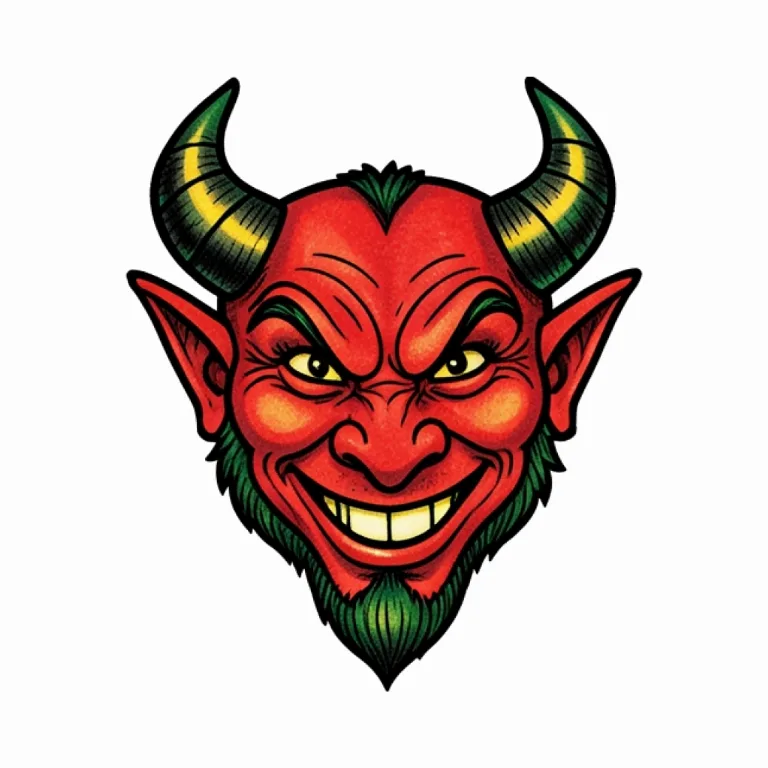 A traditional tattoo design of a grinning red devil head with curled horns, pointed ears and a goatee
Make One Like This →
-
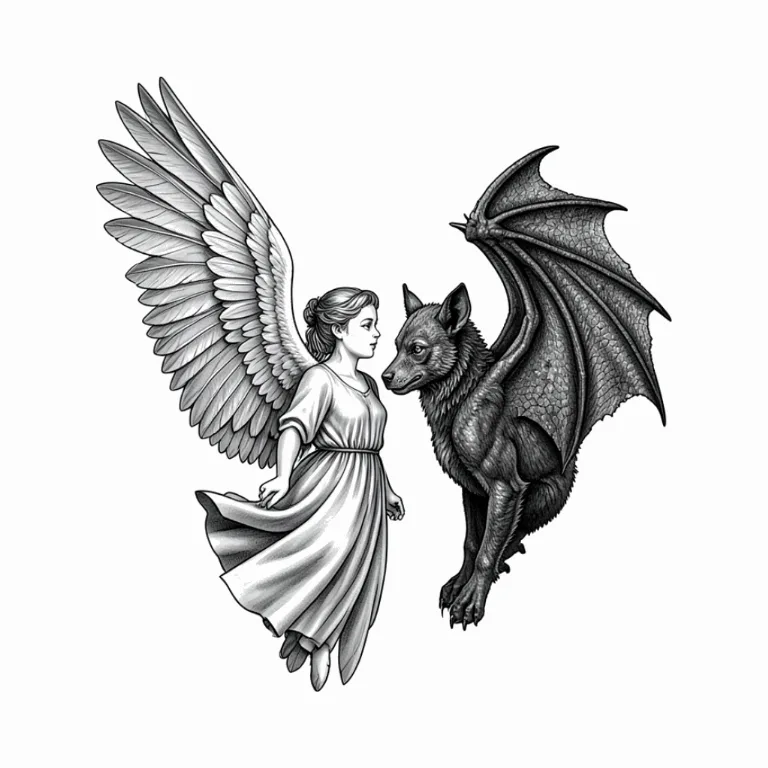 A tattoo design of an angel and a devil facing each other, one with feathered wings and one with bat wings
Make One Like This →
-
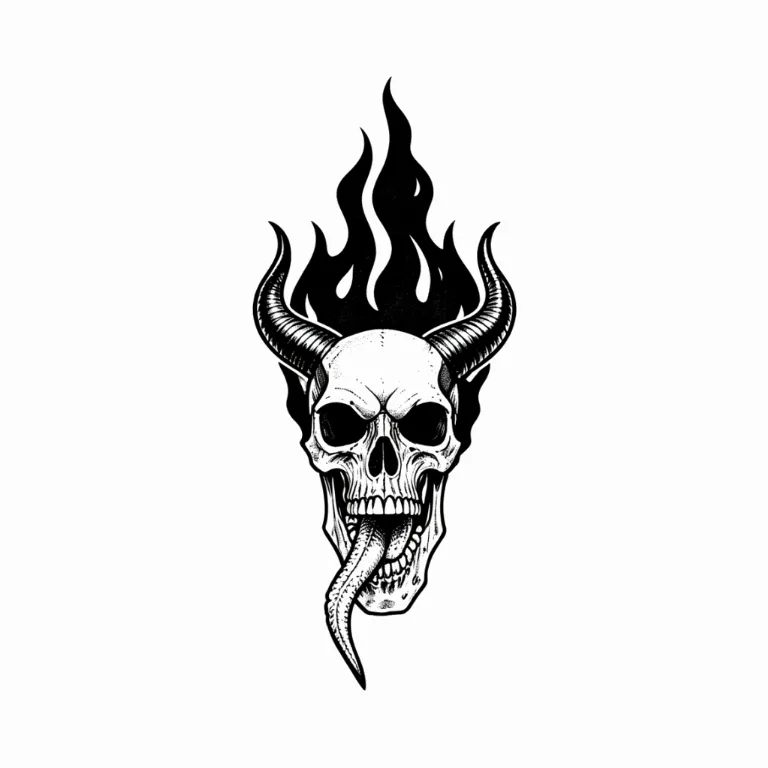 A blackwork tattoo design of a horned devil skull with a forked tongue and flames rising behind it
Make One Like This →
-
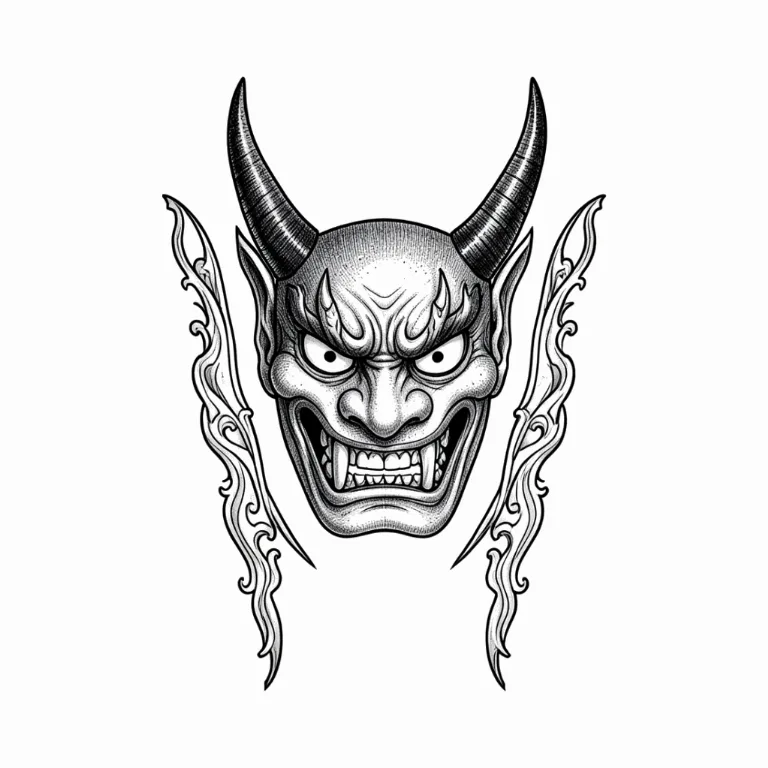 A tattoo design of a Japanese hannya mask with sharp horns, wide eyes and a fanged grin, framed by wind bars
Make One Like This →
-
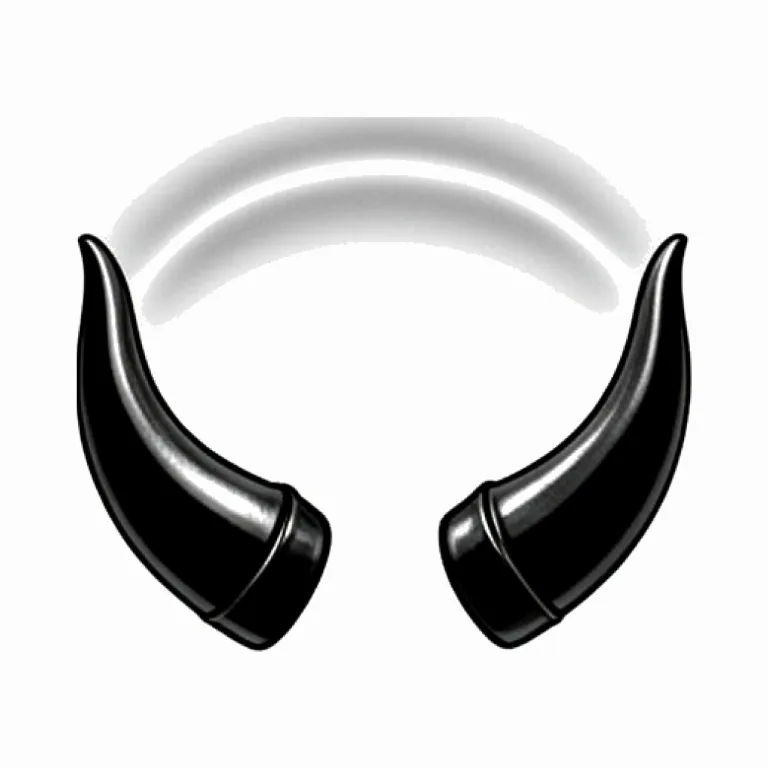 A bold blackwork tattoo design of a pair of curved devil horns above a glowing halo, large and centered
Make One Like This →
-
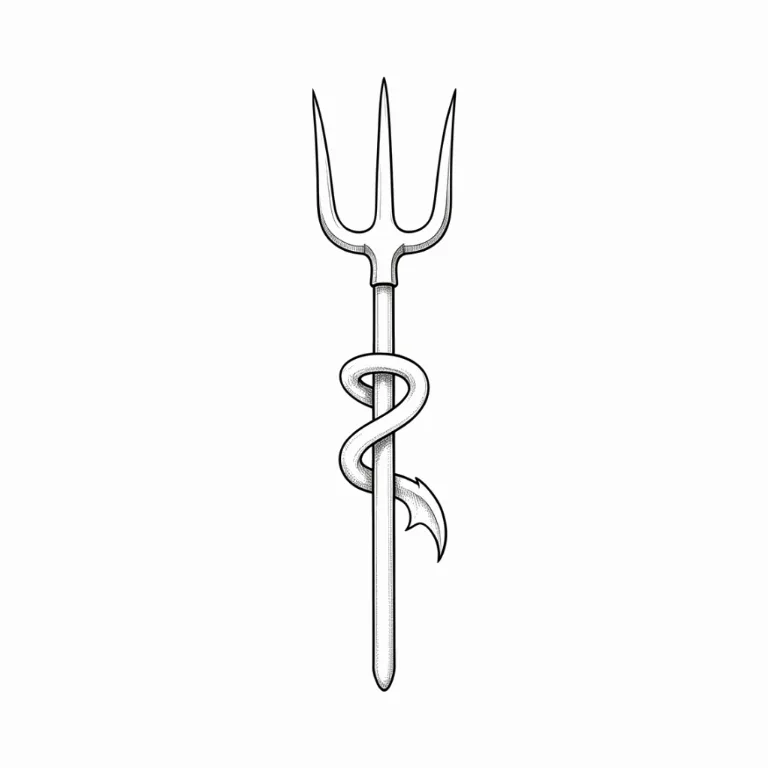 A fine line tattoo design of a pitchfork with a curling pointed devil tail wrapped around the handle
Make One Like This →
-
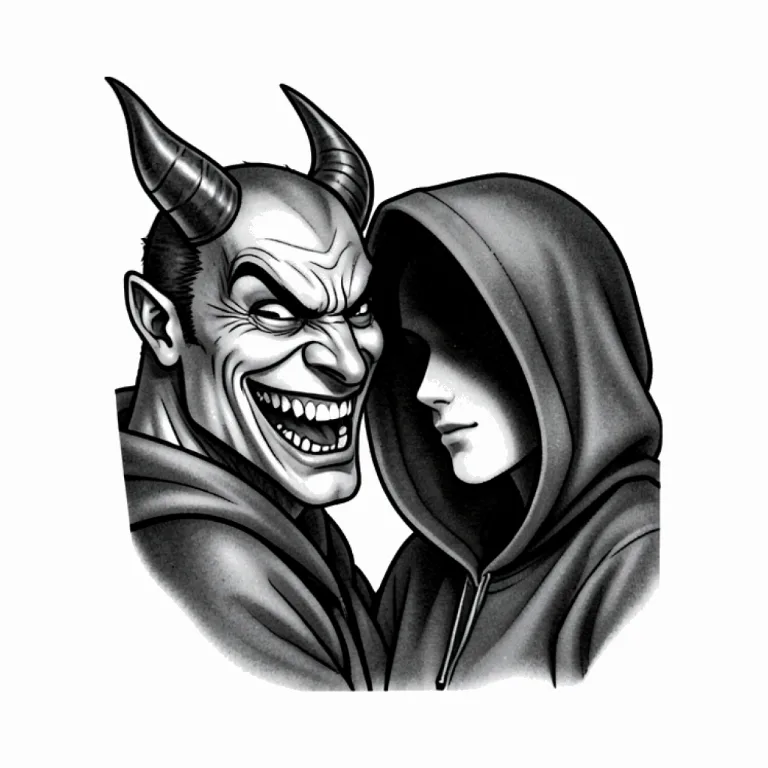 A tattoo design of a grinning devil leaning in to whisper to a hooded figure, dark black and grey shading
Make One Like This →
-
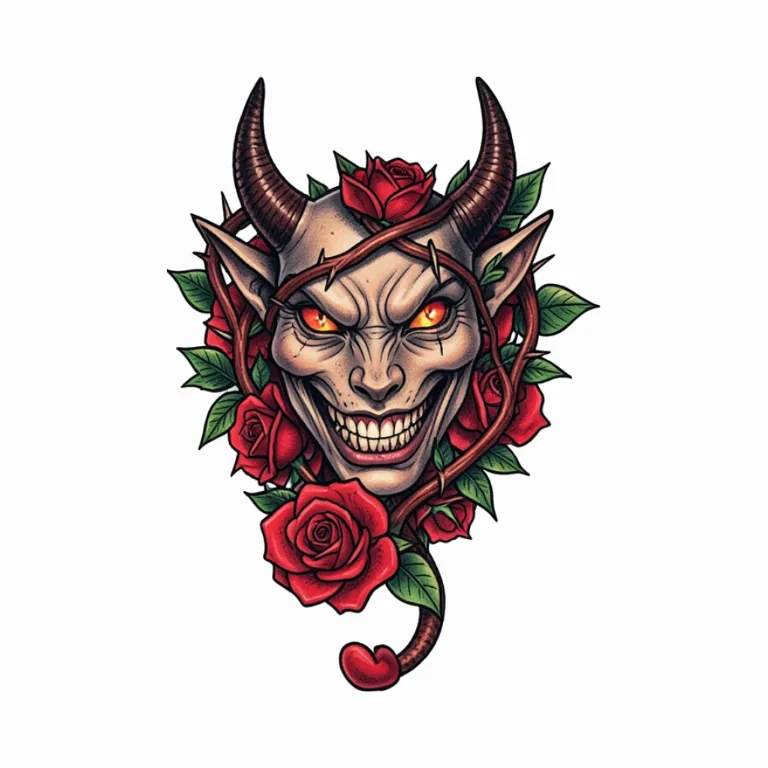 A neo-traditional tattoo design of a grinning devil head wrapped in a red rose vine with a heart-tipped tail curling around it
Make One Like This →
-
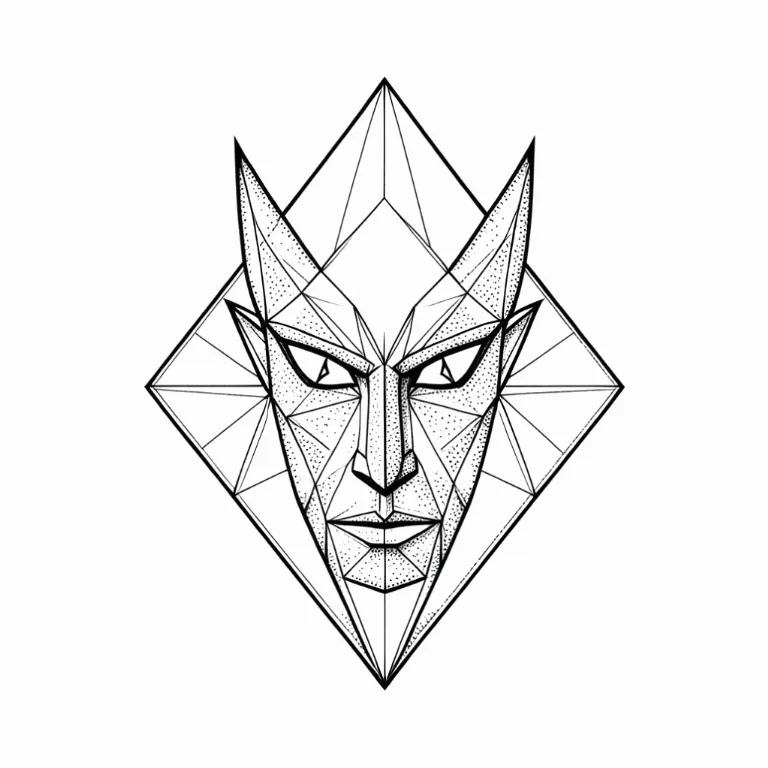 A geometric tattoo design of a devil face built from sharp triangles and clean lines inside a diamond
Make One Like This →
-
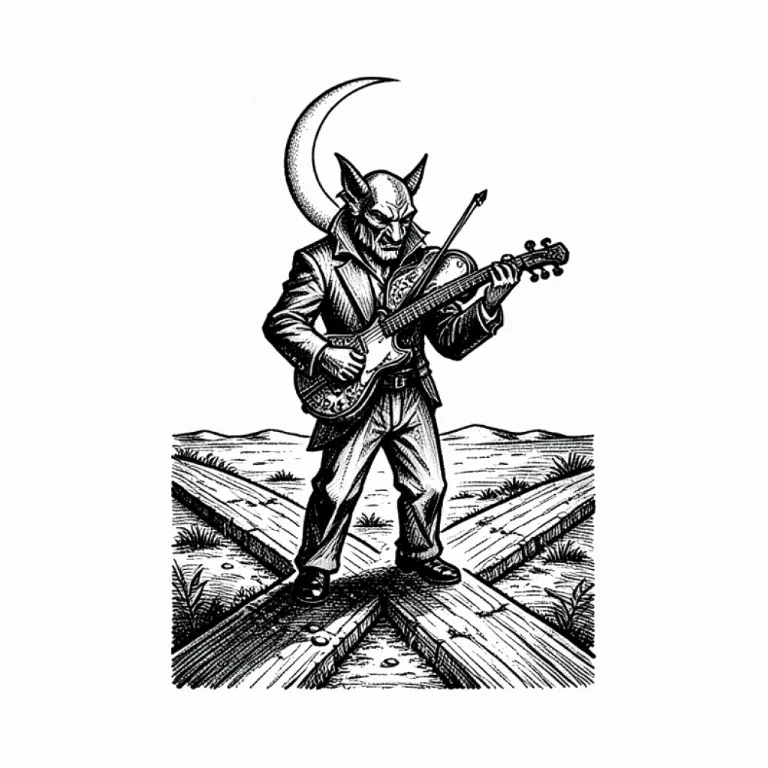 A tattoo design of a devil playing a fiddle at a dusty crossroads under a crescent moon, etched engraving style
Make One Like This →
What a devil tattoo means
A devil tattoo rarely means the wearer worships evil. Far more often it stands for rebellion, temptation, mischief, a dark sense of humor or a nod to the wild side of your personality. Devil heads have been part of American traditional flash since the early twentieth century, when sailors, bikers and carnival workers wore them as a wink at sin and bad luck. For others, the devil represents inner demons they have faced and beaten.
Popular devil tattoo designs
- Traditional devil head: a red face, curled horns, pointed ears and a sly grin in bold outlines and solid color.
- Pin-up devil: a playful horned figure with a pointed tail, often paired with roses, dice or cherries.
- Horned skull: a darker take that merges the devil with a skull; see more skull tattoo ideas for this direction.
- Symbols: horns, a pitchfork, a pointed tail or flames, ideal for a small piece.
- Crossroads devil: the folk legend of a musician trading his soul for talent, often shown with a fiddle or guitar.
Angel and devil tattoo ideas
An angel and devil tattoo is one of the most popular ways to show the struggle between good and bad choices. Some people put the two figures side by side, others split one face down the middle, and couples sometimes get matching halves. The devil whispering in ear tattoo takes the idea further, showing a small devil leaning in to tempt a person or a hooded figure, often with an angel on the other side. To design the other half, browse our angel tattoo ideas.
Devils and demons from other traditions
The Western devil is not the only horned figure in tattooing. The Japanese hannya mask comes from Noh theater and shows a woman consumed by jealousy and rage, while oni are ogre-like demons from Japanese folklore. These figures have their own meaning and visual rules, so if you want one, work with an artist experienced in Japanese tattooing rather than treating it as a generic devil.
What to pair with a devil tattoo
In classic flash a devil tattoo rarely stands alone, and the elements around it change the story it tells. Dice, playing cards and an eight ball turn it into a gambler’s piece about luck and risk, while a martini glass or a bottle points to vice and good times. Roses and a dagger add romance with an edge, and a heart pierced by a pitchfork is an old shorthand for love gone wrong. Banners were often painted with mottos about fate or trouble, so if you add one, keep the lettering short and bold. For a darker composition, pair the devil with a snake, a burning candle or smoke curling up from below. Color shifts the mood too. Classic red skin with yellow and green accents feels playful and vintage, a black and grey devil reads more sinister, and a single red accent on an otherwise black piece makes the horns or eyes pop. Many shops still keep sheets of vintage devil flash, so ask to see them for reference. Pick one main story and two or three companions at most so the piece stays readable from across a room.
Placement, style and tips
Small symbols like horns or a pitchfork fit the wrist, ankle, finger or behind the ear. A traditional devil head works at three to five inches on the forearm, calf or upper arm. Angel and devil pairs need more room and often sit across the chest, back or both shoulders. American traditional gives the classic flash look, while black and grey realism makes a darker, more menacing devil. Flames make a natural background; our flame tattoo ideas show how to frame a piece with fire. You can describe your devil and the mood you want in our AI tattoo generator, then take the stencil to your artist to adjust.
Design yours in seconds
Describe your idea, pick a style, and get original designs with a stencil ready for your artist. Your first run is free.
Devil Tattoo Ideas FAQ
What does a devil tattoo symbolize?
Most devil tattoos symbolize rebellion, temptation, mischief or a dark sense of humor rather than religious belief. Some people get one to represent inner struggles they have overcome.
What does an angel and devil tattoo mean?
It usually represents the balance between good and bad, or the choices a person faces in life. Couples sometimes get matching halves, with one wearing the angel and the other the devil.
How much does a devil tattoo cost?
A small devil symbol usually costs $80 to $200. A detailed devil head or angel and devil piece often runs $300 to $900 or more, depending on your artist and the size.
Is a hannya mask a devil tattoo?
Not exactly. The hannya is a Japanese mask showing a woman transformed by jealousy and rage, and it carries its own meaning in Japanese art, often as protection or a warning.