Japanese Tattoo Ideas
A Japanese tattoo draws on a centuries-old visual language of koi, dragons, tigers and flowers. Browse original AI designs inspired by the tradition, then make your own.
10 Japanese Tattoo Ideas
Made with our AI tattoo generator. Tap one to make your own version.
-
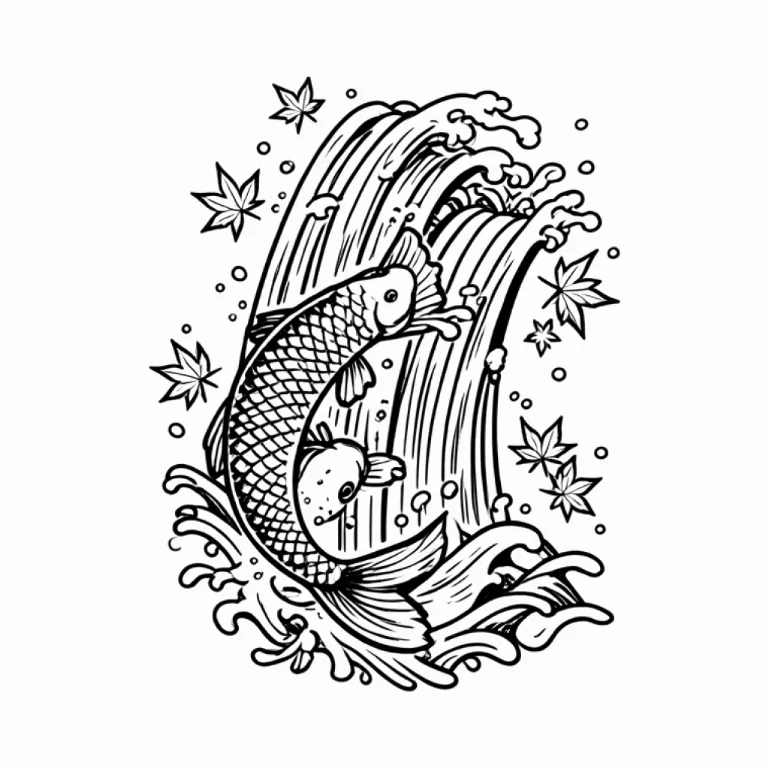 A koi fish swimming up a waterfall with splashing waves and maple leaves, bold outlines, black ink only
Make One Like This →
-
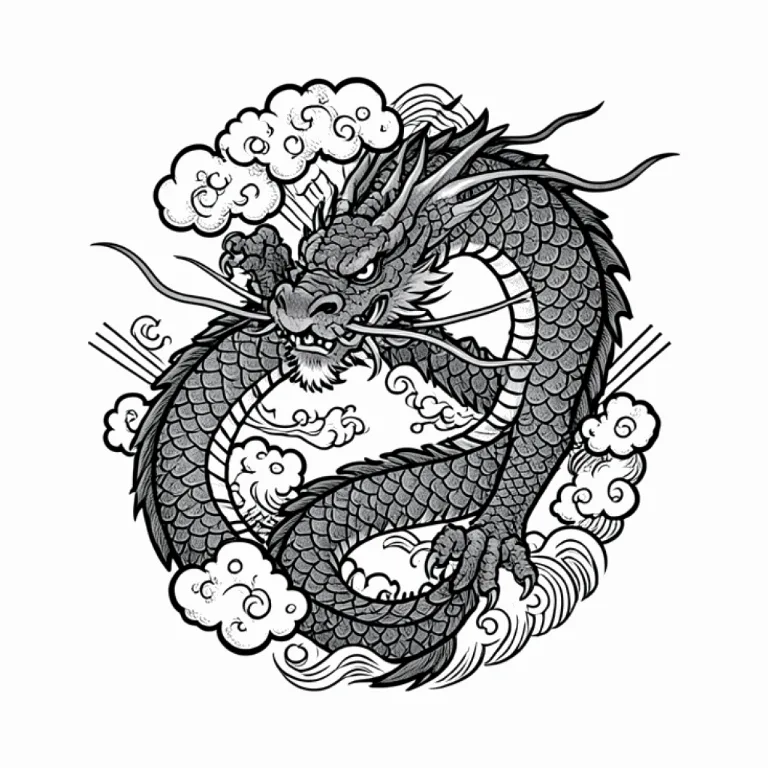 A dragon coiling through storm clouds with claws spread and whiskers flowing, black and grey, flat artwork
Make One Like This →
-
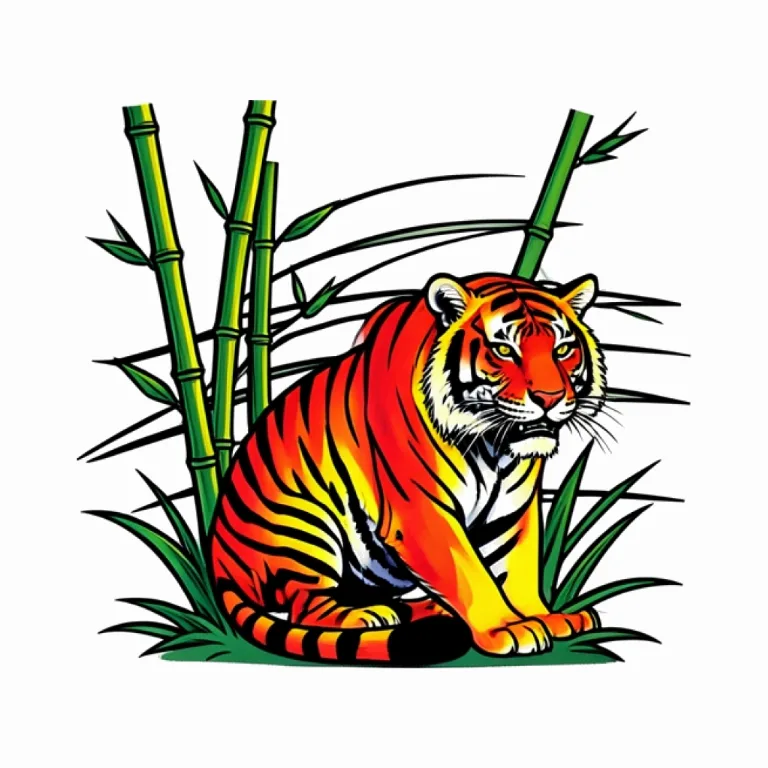 A tiger crouching among bamboo with wind bars behind it, bold outlines and rich color, flat flash artwork
Make One Like This →
-
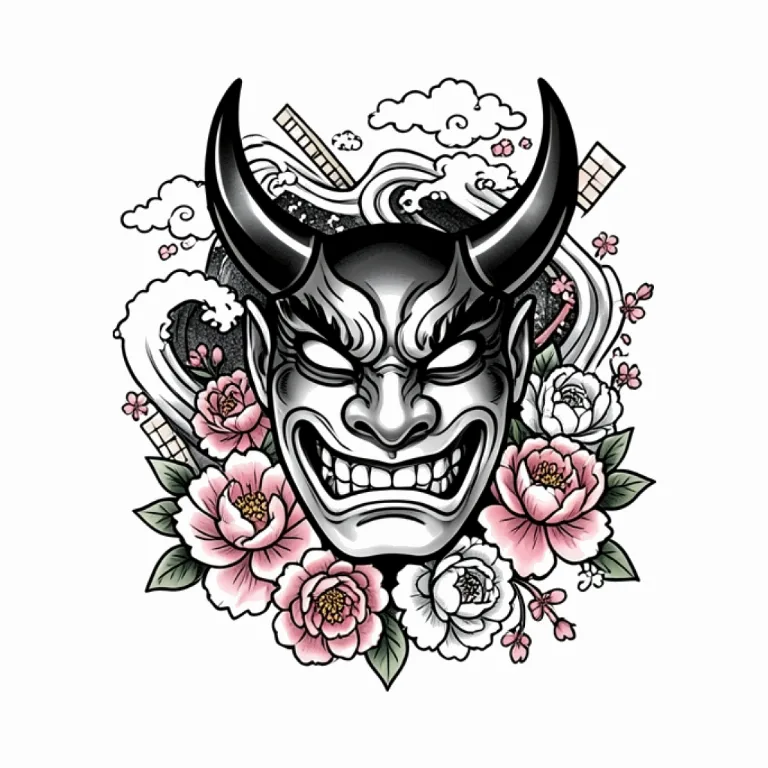 A hannya mask with horns and a wide grin surrounded by peony flowers, black and grey shading, flat artwork
Make One Like This →
-
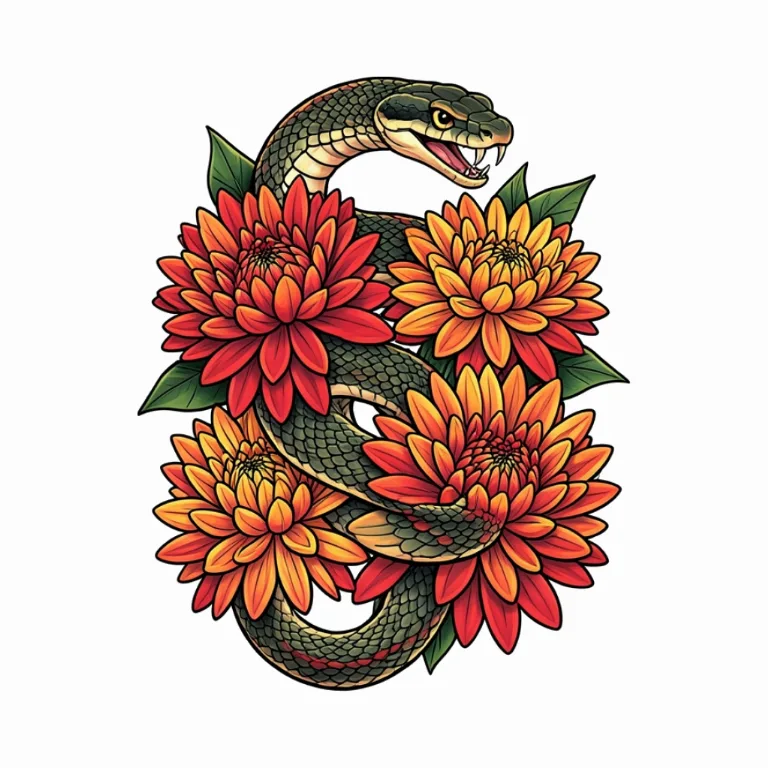 A snake winding through chrysanthemum flowers with its mouth open, bold color and outlines, flat flash
Make One Like This →
-
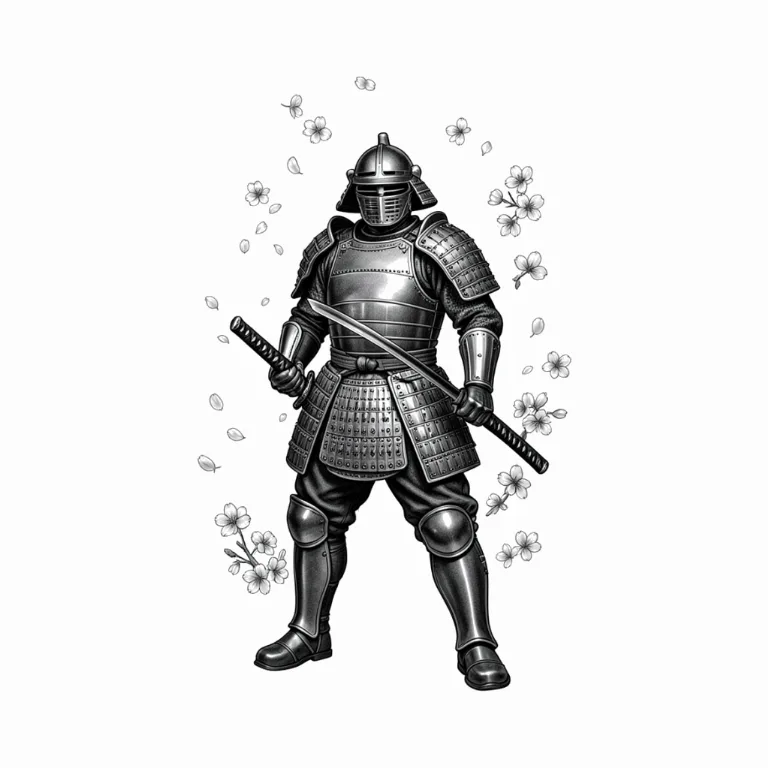 A samurai in full armor holding a katana, standing in falling cherry blossoms, black and grey shading
Make One Like This →
-
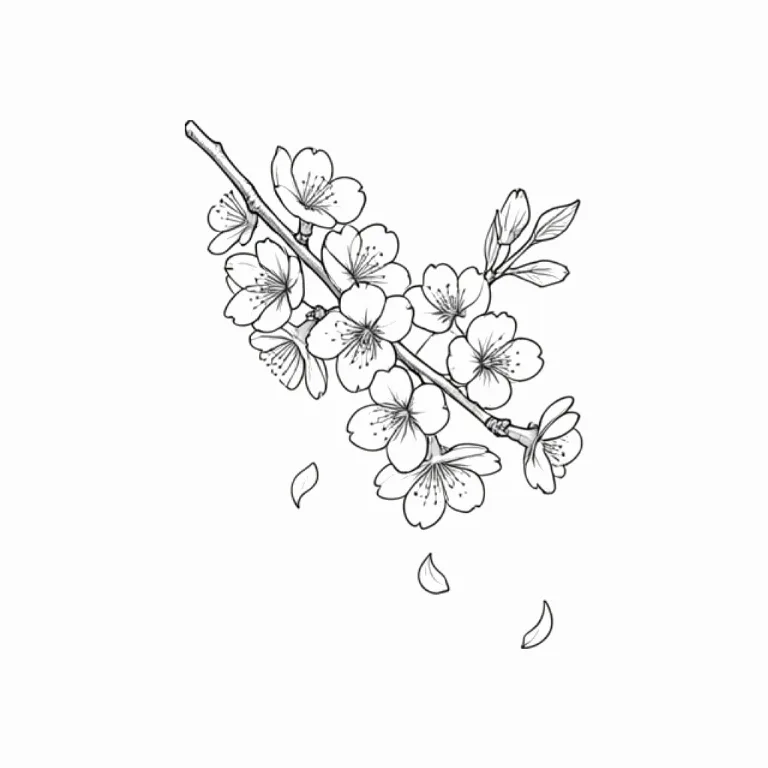 A small branch of cherry blossoms with a few petals drifting down, delicate thin lines on paper
Make One Like This →
-
 A great wave curling over with foam fingers and a small mountain behind it, heavy black fills, flat artwork
Make One Like This →
-
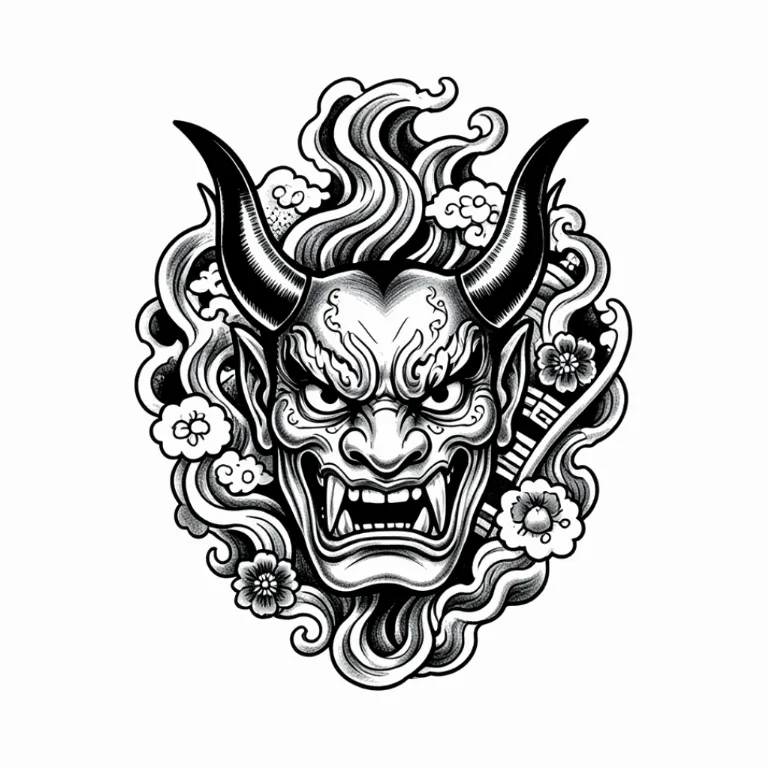 An oni demon mask with fangs and horns, framed by swirling smoke, black ink only, flat tattoo flash
Make One Like This →
-
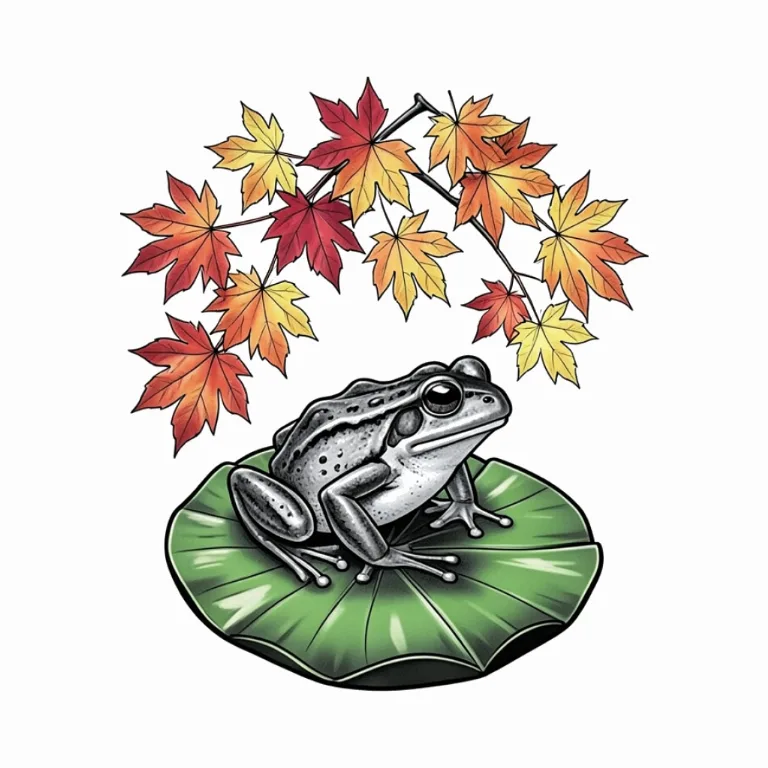 A frog sitting on a lily pad under falling maple leaves, soft black and grey shading, flat artwork
Make One Like This →
The tradition behind Japanese tattoos
Japanese tattoo ideas come from irezumi, a tradition that grew in the Edo period alongside woodblock prints of folk heroes. Traditional pieces are large and planned as a whole: one main subject, a background of wind bars, waves or clouds, and flowers chosen to match the season and the story. Tattoos were long tied to outlaws in Japan, and some baths and gyms there still restrict them. It is a living art form, so the most respectful approach is to work with an artist trained in the tradition.
The tradition also has its own technique. Tebori, the hand-poked method, is still practiced by some masters, though most artists now use machines while keeping the classic designs. The style is known for bold black outlines, wind bar or wave backgrounds, and a limited palette of strong colors that stays readable for decades.
Common subjects and their meaning
- Koi: perseverance. Legend says a koi that climbs the waterfall becomes a dragon. See our koi tattoo ideas for more.
- Dragon: wisdom, strength and protection, linked to water and the sky.
- Tiger: courage and protection from evil and illness, often set against bamboo or wind.
- Snake: protection, healing and change.
- Hannya and oni masks: the hannya shows a woman consumed by jealousy, while the oni is a demon that can also ward off evil.
- Samurai: honor, discipline and loyalty.
- Frog: the Japanese word kaeru also sounds like the word for return, so a frog is often worn for safe travels and good luck.
Japanese flower tattoos
In a Japanese tattoo, flowers carry their own meaning and set the season of the piece. Cherry blossoms mark the beauty and shortness of life, peonies stand for wealth and daring, chrysanthemums for longevity, and maple leaves for autumn and change. A Japanese cherry blossom tattoo works on its own as a smaller piece, or as filler around a larger subject. For more on blossoms, see our cherry blossom tattoo ideas.
Japanese tattoo placement and scale
A traditional Japanese tattoo is made for large areas: back pieces, full sleeves, chest panels and bodysuits. Bold outlines and solid black backgrounds help these tattoos hold up for decades. If you want something smaller, a single koi, tiger head or flower on the forearm or calf still reads well, as long as the outlines stay bold. A Japanese tiger tattoo or snake tattoo fits a half sleeve well, curling around the limb with flowers and wind bars filling the gaps.
Planning a Japanese tattoo sleeve or back piece
Large irezumi has its own vocabulary for how far a design runs, and knowing it helps you talk to a specialist. A gobu sleeve stops around the middle of the forearm, a shichibu runs about seven tenths of the way to the wrist, and a full sleeve reaches the wrist. Hikae are the panels that extend a sleeve onto the chest, and munewari describes a bodysuit with an open strip of skin left down the center of the chest. A traditional back piece usually covers the whole back, from the shoulders down to the buttocks or the backs of the thighs.
Work of this size is mapped out before the first session. Most artists draw the main subject across the largest muscle, then shape the background so it flows into the next panel, which is why it is hard to add matching pieces later without planning ahead. On a large Japanese tattoo the outlines often go in first across the whole area, followed by the black background and finally the color or grey shading, spread over many appointments.
Design tips for your artist
Every Japanese tattoo starts with one main subject, so pick it and let the artist build the background around it. Traditional rules pair certain subjects with certain flowers and backgrounds, and a specialist will know them. If you plan to add Japanese script, have the characters checked by a fluent speaker first. You can describe your idea in our AI tattoo generator to explore compositions and bring a stencil to your consultation. Expect large pieces to take many sessions over months or years.
Design yours in seconds
Describe your idea, pick a style, and get original designs with a stencil ready for your artist. Your first run is free.
Japanese Tattoo Ideas FAQ
What do Japanese tattoos mean?
Each subject carries its own meaning. Koi stand for perseverance, dragons for wisdom and strength, tigers for courage, and cherry blossoms for the shortness of life.
Is it disrespectful to get a Japanese tattoo if I am not Japanese?
Many Japanese artists tattoo clients from all backgrounds. Learning the meaning of your design and working with an artist trained in the tradition is the respectful approach.
How much does a Japanese sleeve tattoo cost?
A full Japanese sleeve often costs $3,000 to $8,000 or more over several sessions, while a single smaller piece may be $200 to $800. The price depends on the artist, location and detail.
Do Japanese tattoos have to be large?
Traditional pieces are designed for large areas like the back or a full sleeve, but a single koi, tiger head or flower can work as a smaller piece if the outlines stay bold.